By Sujatha Balasubramanian
Navarasa literally means, nine emotions.
According to Indian tradition, the basic emotions in life are divided under nine heads; Shringara– love, Hasya– humour, Karuna– pathos, Roudra– anger, Veera– valor, Bhaya– fear, Bhibhatsa– horror, Vismaya– wonder and Shantah– peacefulness.
Each of the following stories is meant to portray one of the Rasas or emotions.
‘Shringara’
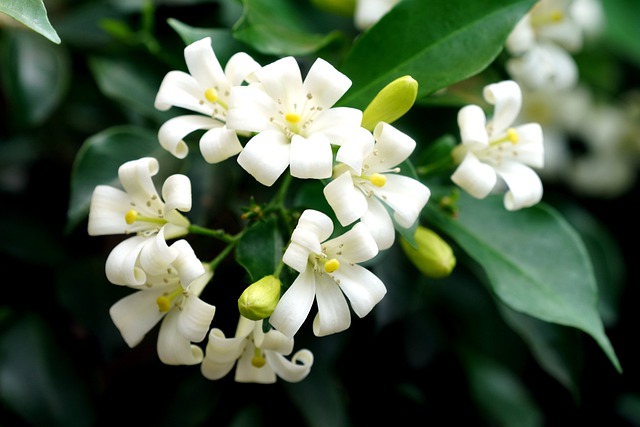
Guru Somdeva said, “The beginning of young love is fragrant and fragile like a freshly-opened jasmine bud.”
“Bol Radha, bol” sang Ashok loudly, very much out of tune.
“Aw, shut up! You sound awful,” said Usha. She pushed back her wind-blown hair carelessly, one hand resting outside the window of the car. One end of her pale yellow dupatta streamed out gaily like a bunting.
Ashok stopped singing and glanced back at her, full of antagonism. “Well, anyway, it is better than your violin lessons. Que–eek,” he imitated nasally, one finger pressed to a nostril. “You know what that always sounds like? Nine cats.”
Usha took him up immediately. “And why exactly nine cats? Why not eight or even ten?”
“Nine she-cats,” replied Ashok firmly, “not even eight cats and a tom cat.” “Why–” began Usha hotly but Ashok’s mother intervened. “Stop it, you two, stop brawling like kids. Remember, you are grown up now.” The two of them exchanged hot glances but subsided into silence.
Usha’s father drove the little black Fiat at a steady speed, glancing at the rear-view mirror now and then to see if the other car was keeping up with him. His wife and two younger sons who were riding in the Ambassador with Ashok’s father waved at him, the tousle-headed boys hanging out of the windows like puppies.
“I wonder now…” said Ashok’s mother reflectively. “Usha, do you know if your mother remembered to put in the salt and pepper in her basket? What with all this confusion, I don’t even know if I brought the tin of biscuits.” She fumbled about trying to open a large wicker basket under her feet.
“Please don’t bother with that now, Aunt Sita,” said Usha impatiently with a familiarity born out of the years “I’m sure I saw you put it in. And Mother has brought the salt and pepper and the spoons and –” Suddenly she broke off and giggled. “Oh, how the two of you rushed about this morning! Anyone would think you were feeding an army instead of just two families for a picnic.” A vision of the women running to and from each other’s kitchen with plates full of half-done sandwiches and unbaked cakes rose in Usha’s mind, and she laughed.
“Just you wait, my girl,” replied Sita with mock severity, “wait till you are married and have a family to feed, and then I’ll do the telling.”
At that moment, the Ambassador gave a long blast on its horn and passed them with a sudden spurt of speed. The boys leaned out of the window and thumbed their noses at them, jeering noisily, joyous at the prospect of being ahead at last. Ashok replied in kind and there was a scream of disappointment from Usha. The two parents laughed.
An hour later, the cars pulled up at a clearing off the road and they all got out. Baskets were unloaded and a couple of durries brought out and spread under a shady tree. The two families had chosen this spot for their annual picnic years ago, for it commanded a lovely view of a deep gorge with a tiny waterfall. The undulating outlines of the hills filled the background and, usually, at this time of the year, the bushes were covered with wildflowers of orange and bright yellow.
As soon as they were settled under the tree with the food-stuff placed handily by the side, the boys started clamouring for their favorite eatables. “Can I have a taste of that fruit cake, please Aunt Sita, just a tiny bite? I’m famished!” begged one. “How about handing out the pakoras Mum, those with the onions and nuts?” pleaded the other.
“You boys are the limit,” laughed their mother Meera, “have you ever felt not hungry?” “Let them have whatever they want,” said Sita indulgently, “no rules or regulations today.”
“Oh! Not already, Mother,” said Usha. “First, I’m going to get myself some of those gorgeous flowers.” She pointed in the direction of a large bush covered with flowers and walked away.
“Stuffing yourself again, Fatty?” Ashok punched the youngster’s stomach playfully and strolled away, hands in his pockets. He wandered around for a bit and then clambered up a small rock and lay down on his back looking at the clear sky, liking the feel of the hard rock under him. He closed his eyes and drifted into a dreamless, somnolent state induced by the warmth of the sun.
When he opened them he saw Usha in the distance. Her blue kameez stood out brightly against a bush of orange flowers. He lay on the rock for a few minutes, looking at her. “Why! She’s pretty!” thought Ashok. He climbed down from the rock and came towards her. Usha was trying to bend an overhanging bough and reach a cluster of orange flowers. She was panting with the effort and there were beads of sweat on her forehead. Ashok came nearer. “She’s beautiful,” he thought with surprise. He said, “Here, let me help you.” But she had already caught the branch and picked her bunch of flowers.
“Strange,” thought Ashok, “how I haven’t noticed her all this time – the way her hair grows at the nape of her neck, for instance — in a tiny tendril of curls –“. Usha was examining a small scratch on the back of her hand. “– or the golden tan of her arm, the slender, tender fingers– Usha!” he said softly and took her hand in his. “H’m?” She looked up at him in surprise at the strange gentleness in his voice.
He gazed at her hand as if at a quaint object and slowly dropped it. “Usha?” he repeated once again. There was an unspoken question in the single word. Her eyes met his with wonder and a little fear. The blood rushed to her face and she felt faint. She wiped her forehead with a handkerchief, without the slightest trace of coquetry in her movement. There was a long moment of awareness between them. They avoided each other’s glances and stood silently, awkwardly together. Usha felt unaccountably shy and gauche in his presence.
After a while, they returned to the others, walking slowly. Meera glanced at their sober faces and asked, “Hello, you two, been quarreling again? “No,” replied Ashok shortly, quietly. Sita thrust a plate into Usha’s hands saying, “Come on, we are almost finished.” Usha took the plate and began eating mechanically.
On the way back home, Usha huddled into a corner of the car, her dupatta wound tightly around her body. “Whatever is the matter with you, do you have a headache?” asked her father in amazement. “Yes, I have a headache,” repeated Usha and sank back on the cushions enveloped in a strange, new-found world of dreams.
“Ashok,” she said to herself softly. The name sounded un-familiar. She gazed out of the window with unseeing eyes, seeing him as he stood, straight and tall in his Cadet’s uniform, flexing his muscles and saying to her brother, “Soon, I’ll be the leader of my unit,”; seeing the flick of his thin, strong wrist as he beat her, hands down, in all the games of table-tennis they played; hearing his loud laughter above the raucous voices of the fellows from his college as they gathered at the corner of the road for their evening session of chatter.
When they reached home, the boys jumped out first, still full of spirits. Sita and Meera stood near the cars for a few minutes, supervising the unloading of the baskets and picnic things, and then went in to their houses, pleasantly exhausted. Ashok followed his mother with the larger basket. Usha got out of the car and walked away up to the gate languidly, aimlessly.
“See you tomorrow, Ashok, g’night,” shouted the boys and ran in as Ashok came out to collect the cushions from the car. Usha’s glance strayed to his face, questioning, searching, a trifle fearfully. There was such tenderness and expectancy in his look that she averted her eyes in confusion, and went in, joyously.
 Stories by Sujatha