By Sujatha Balasubramanian
The best part of the day for me is in the morning. Having seen various members of the family off to work and college, I pour myself a second cup of tea and come out for a breather. It is hardly half-past seven and the mist is still rolling out seawards from the land, swirling through the tree-tops. The sea-line is still obscure, waiting for the sun to come up and etch it sharply against the horizon.
One would never have imagined there were so many shades of green in nature. The copper-green of new mango leaves; the staid dark huge of the stately palm; green faced with silver in the vertical leaves of the eucalyptus set off beautifully by the pale, bleached bark; the dull tamarind branches which hide flashes of parrot-green as the birds dart in and out of the dense foliage. I give up counting as my eyes move through the various nuances of the color.
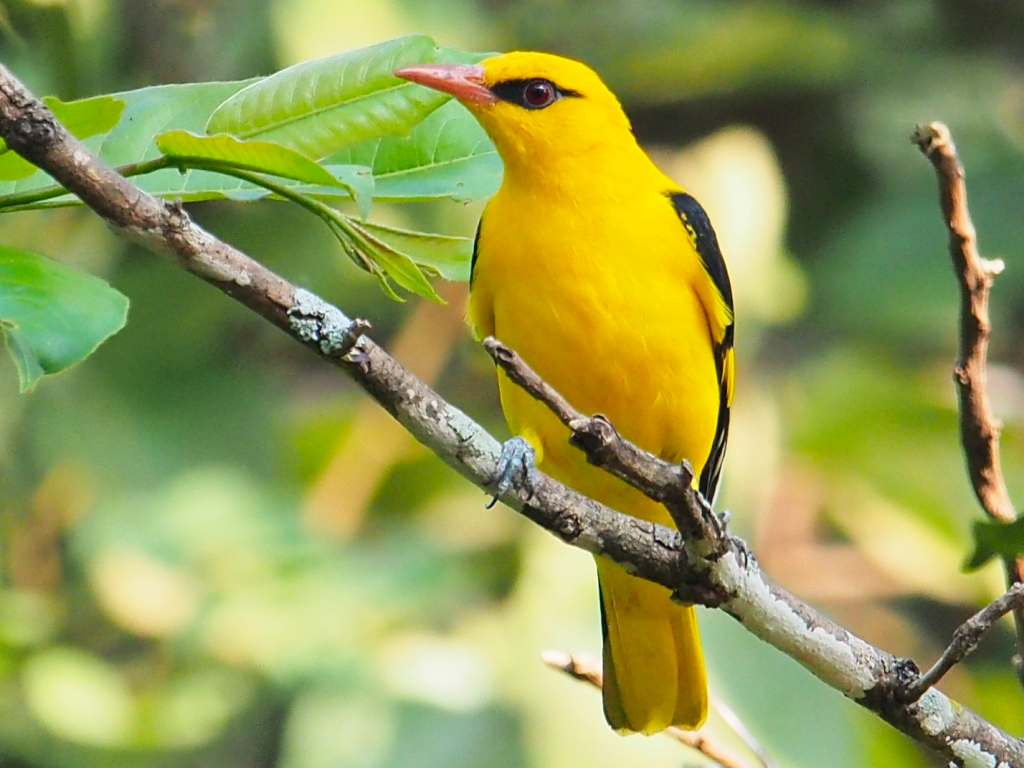
One morning, a strange bird with exotic orange plumage flew on to the rain-tree. I hastened up to borrow Salim Ali’s bird book from a friend and identified it as the golden oriole. The tiny lemon-breasted creatures which flitted in and out so rapidly from branch to branch turned out to be sun-birds. I have not become a confirmed bird-watcher overnight but it is exciting to spot a new species occasionally.
The kitchen window is uncurtained. When would I ever want to such out the sight of the neighbour’s flaming gul-mohar of the bougainvilla which riots over the high wall? To complete the view, there is a glimpse of someone’s red roof with an old world chimney. The roads are steep and narrow, winding up the hill. When I take the dog for a walk, I have to press myself against the hedge to let a car pass and an overhanging branch of yellow cassia showers its gold on me.
Writing in an English magazine of her visit, under the heading “Six thousand miles to tea”, a friend said some time ago ‘— the location brings back to my mind the downs of Sussex —.’ But soon after, a guest from Europe gazed ahead, frowned thoughtfully and suddenly snapped his fingers. “Capri! That’s what this place reminds me of!” Be that as it may, I only hope I will never become blasé about the picture postcard effect of the fishing boats with their white and red sails moving lazily against an azure sky with puffs of white clouds.
The ritual of the sunset leaves none of us unmoved though there have been countless evenings before. The sun losing the fierce heat of the day turns into a benign orange globe set in a vast panorama of changing hues: gold, tangerine and red in summer; grey-pink, mauves and purple in winter. As the last bit of upturned crescent sinks into the ocean, the voices of the little children from the play-ground area below slowly fade away, leaving a silence that is all-encompassing. No Turner could capture the glory of colours nor Kubrick present anything so awe-inspiring.
Visitors stir reluctantly in their chairs after savouring the pleasure of sitting out in the dark waiting for the stars to emerge, first in tiny pin-points of light and then gradually in clusters till one can make out Orion’s belt and Sirius in all their splendour.
All this is within minutes of the snarled traffic in the concrete jungle called Bombay. But inexorably, the city is catching up with us inch by creeping inch. Friends of Trees and Save Bombay Campaign notwithstanding, the cassia comes down to make way for a row of shops with pseudo-Moghul arched windows. The mangrove where I first saw the golden oriole has been thinned out and an edifice of bricks and concrete scars the landscape.
This morning, after many months, I saw a flash of iridescent turquoise in the sky and ran for the glasses. Yes, it was a blue-jay sitting on a leafless branch, its bright red beak, white breast and gleaming blue feathers vivid against the pale, morning sky. Perhaps there is still hope.
 Stories by Sujatha
how beautiful!! thank you!
LikeLike
Very Well Done for Nani !
LikeLike